Mobarak Ali Artisans company logo

Bhadohi, Uttar Pradesh, India

Group of artisans weaving carpets on traditional looms in Bhadohi workshop
Elderly master weavers working at carpet looms in traditional workshop
Close-up of traditional carpet loom with colourful wool threads in weaving process
Carpet finishing and inspection room with artisans examining handmade rugs

Bhadohi, Uttar Pradesh, India

Mobarak Ali
Artisans

A Legacy Woven by Hand Since 1935.

Nearly a century of craftsmanship from the carpet capital of the world.

The House

"Some things are manufactured.
Others are made."
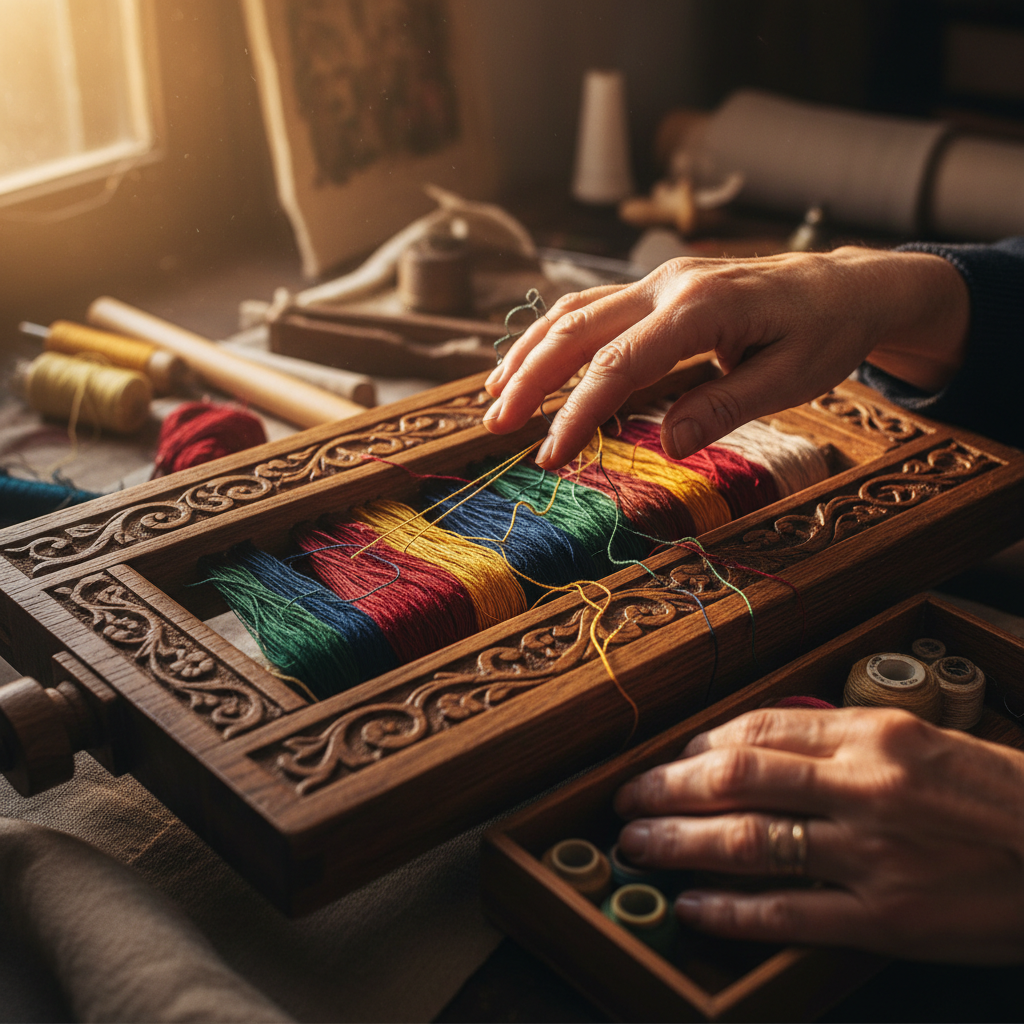
Master artisan hands carefully knotting wool threads on a traditional wooden loom in warm workshop light

Est. 1935

For generations, the artisans of Mobarak Ali have transformed thread into objects of permanence.

Carpets made slowly, deliberately, and by hand — each piece a record of the person who made it, the place it came from, and the time it took to create.

From a single loom in Bhadohi, this family craft has grown into a living archive of technique, pattern, and patience. Not a factory. Not a brand. A house.

"Every knot is a decision. Every carpet is a year."

The Work

The Collection

Hand-knotted, hand-tufted, flat-woven — each carpet a singular object made by skilled artisans in Bhadohi, the carpet capital of the world.

View Full Collection

All pieces made by hand in Bhadohi, Uttar Pradesh

The Beginning

1935

"It began with a loom, a tradition,
and a belief in the value of things made by hand."
Nearly a century of unbroken craft. Each decade a new chapter in the same story.

Mobarak Ali Khan, founder of Mobarak Ali Artisans, seated formal portrait with walking cane, Bhadohi, circa 1935

Mobarak Ali Khan

Founder · Bhadohi, 1935

The man who began it all — a master artisan whose belief in handmade craft laid the foundation for nearly a century of weaving.

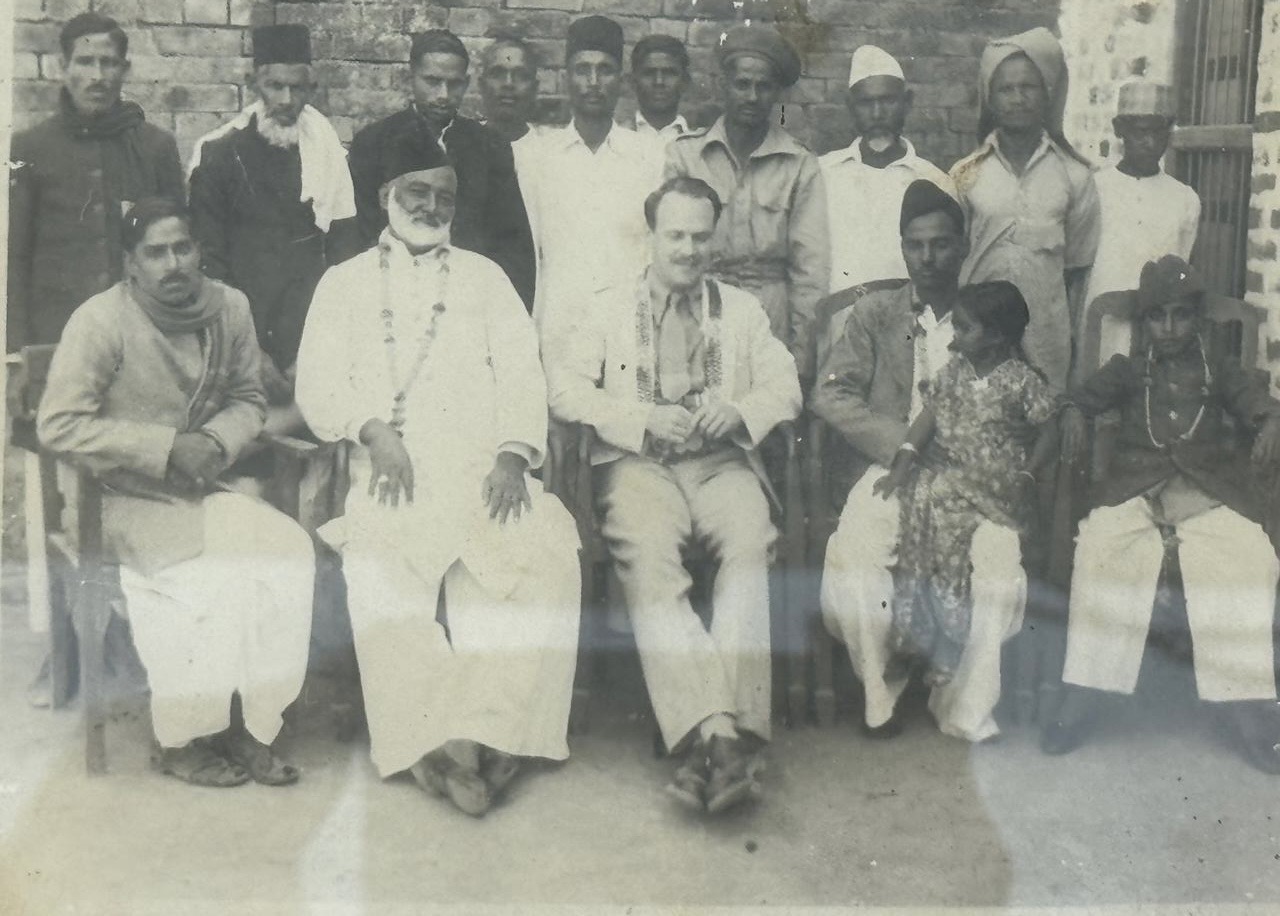
Historical group photograph from the early Mobarak Ali house, artisans and community members gathered together in Bhadohi
From the Archive · The Early House

The people behind the craft — artisans and the community of Bhadohi who carried the tradition forward, generation by generation.

A labourer wearing a white t-shirt standing in a carpet workshop, warm natural light, documentary portrait
The Founding

1935

The Beginning

A single loom. A tradition passed down through family. In the heart of Bhadohi, Uttar Pradesh — the carpet capital of the world — Mobarak Ali began weaving.

Close-up of colorful wool yarn skeins hanging in workshop, warm amber and ochre tones, natural light
The Craft

The Early Years

Tradition Takes Root

Traditional craftsmanship deepens. The hand-knotted techniques of the Mughal carpet tradition — brought to Bhadohi centuries earlier — become the foundation of every piece.

Antique traditional handmade carpet weaving loom machine, old wooden frame with threads, no people, warm amber workshop light
The People

The Next Generation

Knowledge Passes On

The art moves from artisan to artisan, hand to hand. Each generation refines the technique — adding new patterns, preserving old ones, never losing the thread.

Elegant finished handmade carpet laid on stone floor in bright architectural interior, geometric pattern
The Reach

A Growing House

New Homes, New Markets

The craft reaches beyond Bhadohi. Discerning homes, architects, and collectors begin to seek out carpets made with this particular patience and precision.

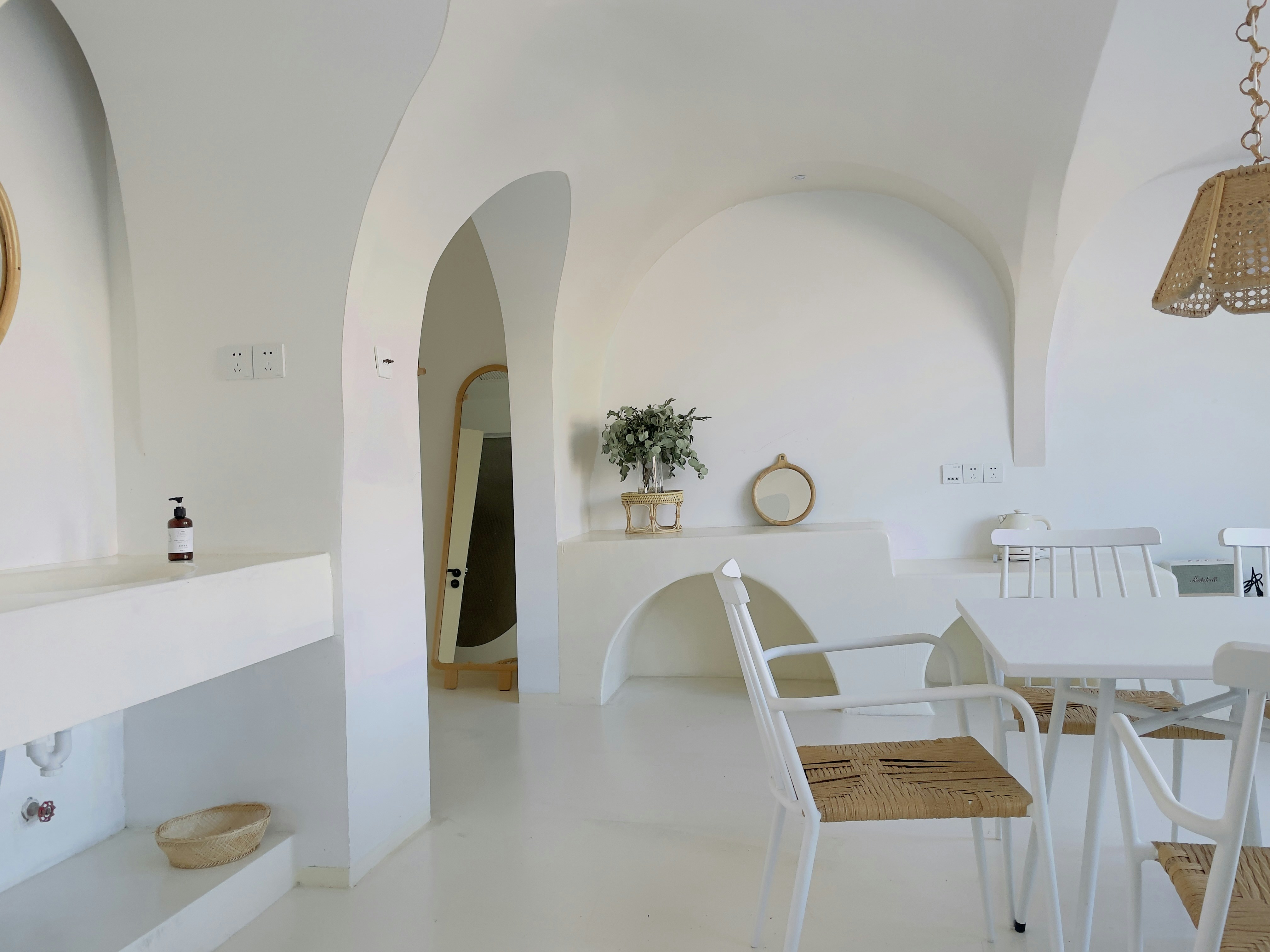
Modern architectural interior with hand-knotted carpet, clean lines, warm natural light from large windows
The Present

Today

Tradition Meets Now

The same hands. The same Bhadohi soil. Contemporary design sensibility meets the oldest weaving traditions. Objects intended to outlive their makers.

Drag to explore the timeline

The Place

Born in Bhadohi

Group of artisans weaving carpets on traditional looms in Bhadohi workshop
Bhadohi, U.P. · 25°N, 82°E

"The place is part of the craft."

Bhadohi sits in Uttar Pradesh, 40 kilometres west of Varanasi — a city that has known the loom for centuries. The Mughal Emperor Akbar brought Persian carpet weavers to this region in the 16th century, seeding a tradition that has never stopped growing.

Today, Bhadohi is the largest handmade carpet-weaving cluster in the world. Its carpets carry a Geographical Indication tag — a recognition that what comes from here cannot truly come from anywhere else.

The soil, the light, the water, the hands — all of it enters the carpet. When you place a Bhadohi carpet in your home, you bring something of this place with you.

3.2M

Artisans in the region

400+

Years of tradition

GI

Geographic Indication

300

Knots per square inch

Close-up of traditional carpet loom with colourful wool threads in weaving process
Elderly master weavers at carpet looms in traditional Bhadohi workshop
Carpet finishing and inspection room with artisans examining handmade rugs

The Artisan

The Hands Behind
the Thread

Elderly master weavers working at carpet looms in traditional Bhadohi workshop
Close-up of traditional carpet loom with colourful wool threads being woven by hand
Group of artisans weaving carpets together on traditional looms in workshop
"A handmade carpet carries the evidence
of the person who made it."

Every imperfection is a signature. Every variation in the pile tells you something about the hour, the light, the patience of the weaver on that particular day.

The Making

From Thread
to Heirloom

Artisan hand drawing carpet design on graph paper with pencil, geometric floral pattern taking shape, warm desk light
01

Design

Every carpet begins as a drawing — a cartouche, a pattern, a vision. The design is mapped on graph paper, each square representing a single knot. Colour, proportion, and geometry are decided before a single thread is touched.

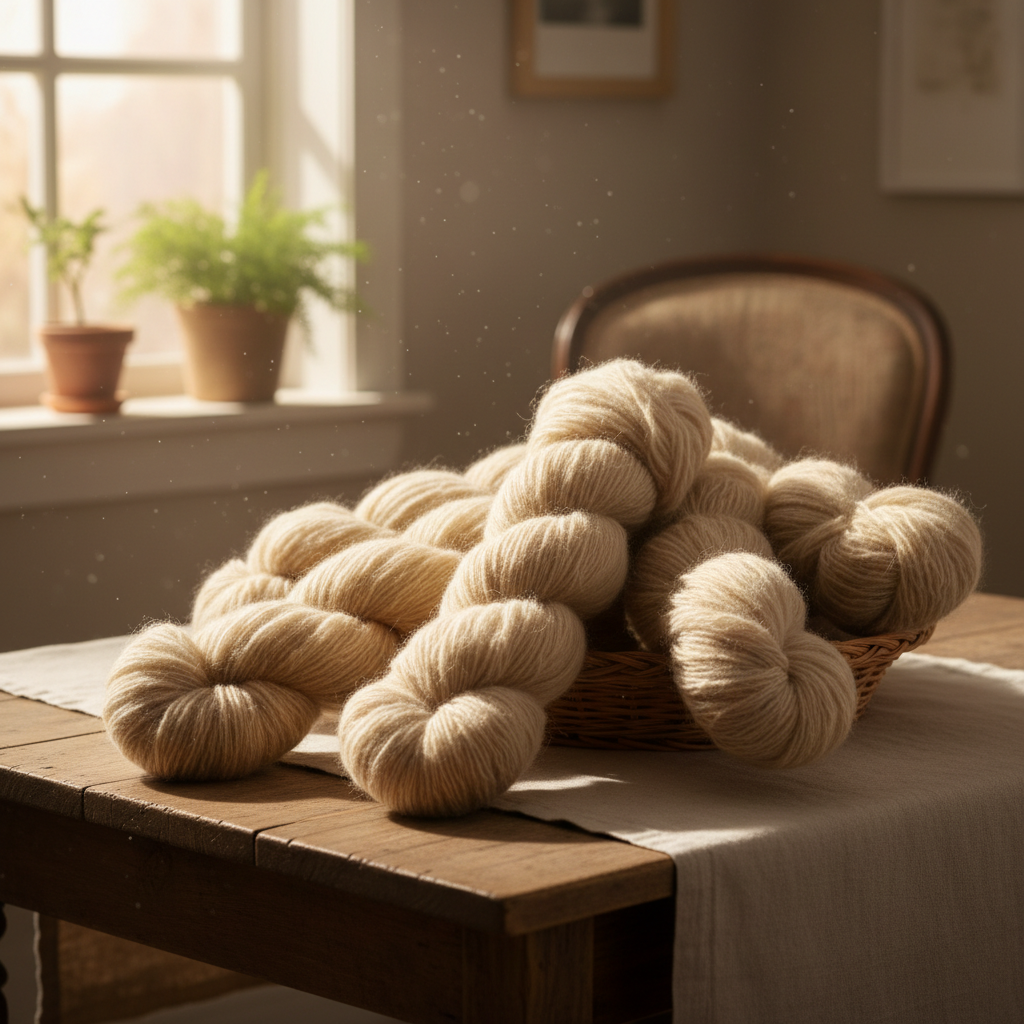
Bundles of raw wool yarn in natural cream and ivory tones arranged on wooden surface, soft natural light
02

Yarn

The finest wool is selected — hand-spun, with a natural lanolin that gives the pile its characteristic lustre. The choice of fibre determines the character of the finished carpet: its weight, its warmth, its life expectancy.

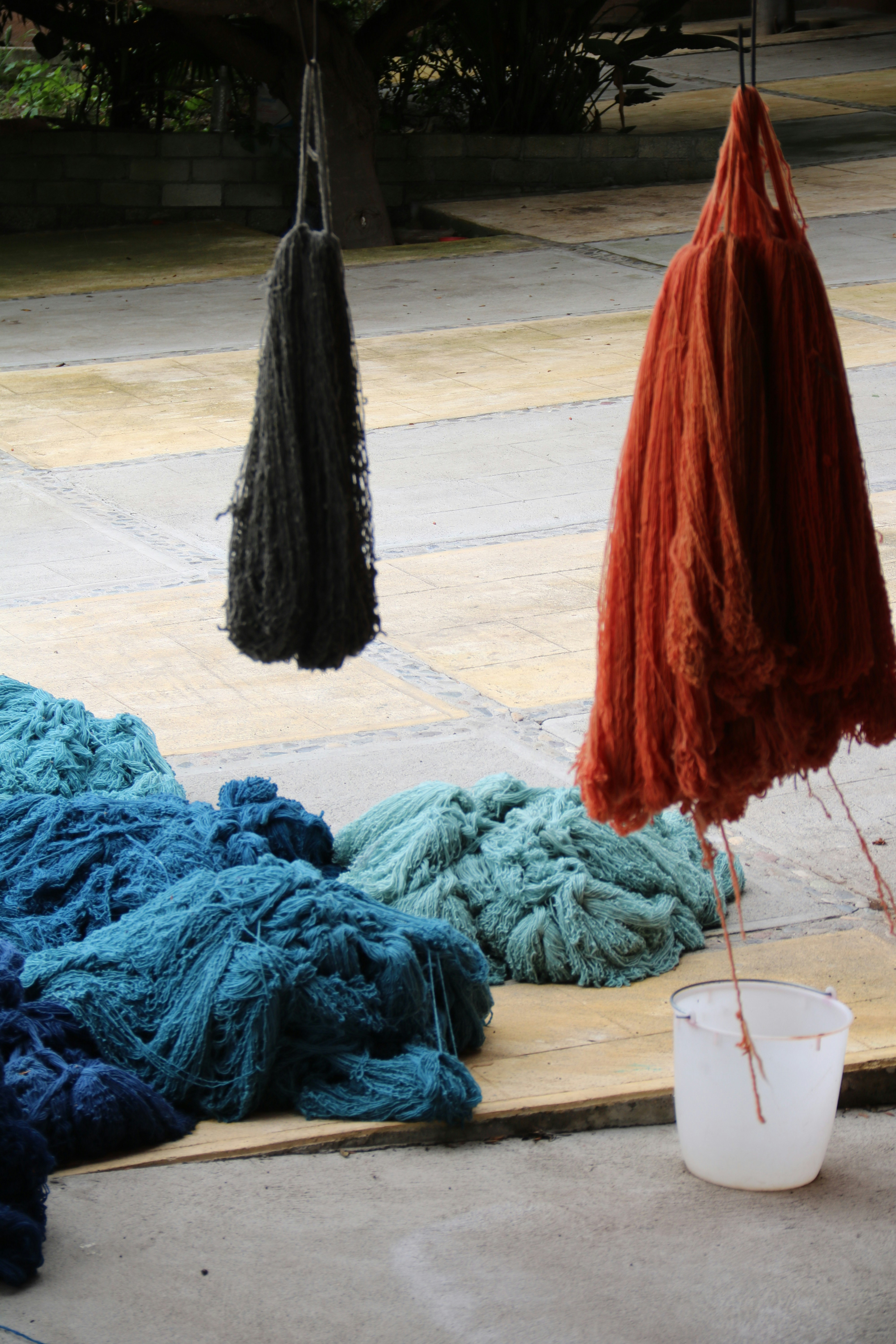
Vibrant dyed wool skeins hanging to dry in rich crimson, saffron, and indigo colors against white wall
03

Dye

Colour is not applied — it is absorbed. Natural dyes derived from plants, minerals, and organic matter are prepared in open vats. The yarn is immersed, stirred, and dried in sunlight. Each batch is slightly different. This is not a flaw.

Close-up of traditional carpet loom showing intricate knotting process with colourful wool threads
04

Knot

The Persian knot. The Turkish knot. Each tied individually, by hand, around the warp threads. A skilled weaver ties between 8,000 and 10,000 knots in a single day. A fine carpet may contain 300 knots per square inch.

Group of artisans weaving carpets on traditional vertical looms in Bhadohi workshop
05

Weave

Row by row, the carpet grows upward on the vertical loom. The weaver works from the bottom, following the graph paper pattern above. Each weft thread is beaten tight with a metal comb. The rhythm is constant, meditative.

Handmade carpet being washed outdoors on flat stone surface with water flowing over rich pattern
06

Wash

When the final knot is tied, the carpet is cut from the loom and washed. Water and mild soap release the lanolin, open the fibres, and bring out the depth of colour. The carpet is then stretched on a frame and dried flat.

Artisans in carpet finishing and inspection room examining handmade rugs for quality
07

Finish

The pile is clipped to an even height with shears, then burned lightly to remove loose fibres. The edges are bound. The fringe, if present, is combed and set. The carpet is inspected on both sides in strong natural light.

Professional

For Those Who
Design Spaces

We work directly with architects, interior designers, and hospitality professionals to develop carpets that serve the specific requirements of a space — not the other way around.

From specification sheets to sample libraries, from preliminary consultations to final installation, the house is structured to support the professional process.

Interior DesignersArchitectsHospitalityLuxury ResidencesRetailersCollectors
Contact Ehtesham Ali Khan

Specification Resources

A full specification sheet and sample catalogue is available on request. Contact us to receive materials appropriate for your project.

Minimalist architectural interior with large handmade carpet, white walls and natural light, designer space
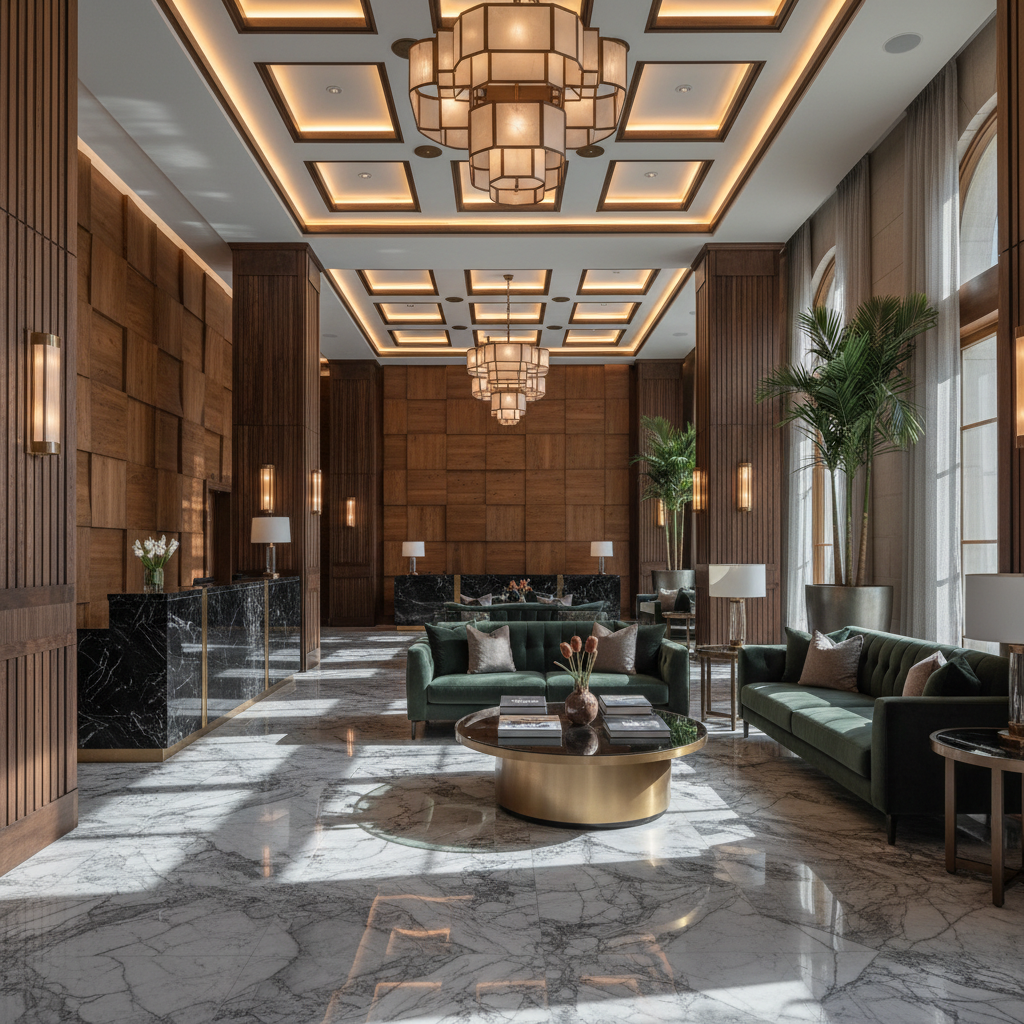
Luxury hotel lobby with hand-knotted carpet, marble floors, and dramatic lighting
Interior designer reviewing carpet samples on table with architectural drawings, professional workspace

ENQUIRIES & CONTACT

Ehtesham Ali Khan

3rd Generation · 20+ Years in the Business

Bazar Rustam Khan, Opp Ma Samad Intercollege,
Bhadohi, Uttar Pradesh, India

BEGIN A CONVERSATION

Commission a Piece

Every rug begins with a conversation. Reach out to discuss your vision, requirements, or simply to learn more about our craft.